
Early Life and Background
Roy Hodges was born in the United Kingdom, likely in the 1940s, though the exact details of his birth and early life remain private. Hodges grew up in a period when British theatre was vibrant, and he gravitated toward the performing arts. His early years were shaped by a passion for theatre, which eventually led him to work in repertory companies as both a stage manager and an actor. Though not much is documented about his personal upbringing, it is clear that Hodges developed the skills and discipline necessary to navigate the demanding environment of live theatre.
Career in Theatre
Hodges’ professional life was centered on the theatre. As a stage manager, he played a crucial role in coordinating performances, managing crews, and ensuring productions ran smoothly. This work, while largely behind the scenes, was essential to the success of theatrical productions. In addition to his managerial responsibilities, Hodges occasionally performed on stage, although his acting roles were generally limited to repertory theatre rather than mainstream film or television. His career in theatre was characterized by dedication and reliability, contributing to the smooth operation of productions and supporting the work of actors and directors.
Marriage to Glenda Jackson
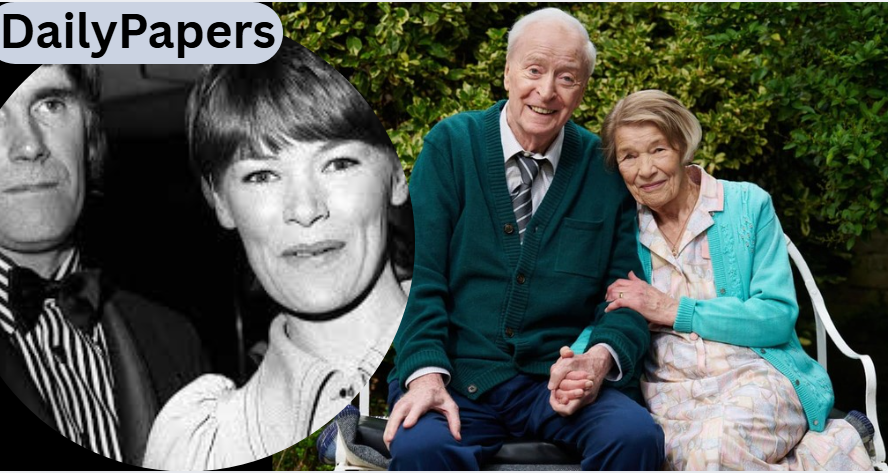
Roy Hodges is perhaps best known for his marriage to the acclaimed actress and politician Glenda Jackson. Hodges and Jackson met while both were involved in repertory theatre in the late 1950s. Their relationship quickly developed into a partnership, and the couple married in 1958 at St Marylebone Register Office in London. At the time, both were at the early stages of their respective careers, with Jackson beginning to gain attention as a talented actress and Hodges establishing himself within theatre circles.
The marriage between Hodges and Jackson lasted until 1976. During this period, Jackson rose to international prominence, winning Academy Awards and earning acclaim for her performances in films such as Women in Love and A Touch of Class. Despite the challenges of a high-profile spouse, Hodges maintained his own career in theatre and supported his family.
Family and Children
The union between Roy Hodges and Glenda Jackson produced one son, Daniel Pearce Jackson Hodges, commonly known as Dan Hodges. Born in 1969, Dan Hodges grew up in a household deeply connected to the arts and public life. He has since become a prominent journalist and political commentator, contributing to publications such as The Mail on Sunday and becoming a well-known figure in British media. Hodges’ role as a father and his connection to his son’s career further highlight his personal legacy, even as he remained largely out of the public eye.
Divorce and Later Life
Roy Hodges and Glenda Jackson divorced in 1976. Reports indicate that Hodges filed for divorce on the grounds of Jackson’s adultery. Following the divorce, Hodges chose to lead a private life. Details regarding his later career and personal pursuits are limited, though it is understood that he continued to work outside of the public spotlight. Despite the limited information about his later years, Hodges remains a figure of interest due to his early contributions to theatre and his connection to Jackson and their son.
Is Roy Hodges Still Alive?
Many people have asked whether Roy Hodges is still alive. There is no verified record confirming his death, nor is there any official obituary published in major news outlets. As a result, his current status remains unverified. Any claims about his death should be treated cautiously unless confirmed by credible sources.
Public Misconceptions
Roy Hodges’ name is sometimes associated with other individuals, such as Stephanie Hodges or controversial figures, due to coincidental name matches or social media speculation. There is no credible evidence linking Roy Hodges to Stephanie Hodges or any criminal figures. Such claims are unfounded and do not reflect verified information about his life.
Net Worth
Roy Hodges’ net worth is not publicly documented. Unlike Glenda Jackson, who earned a substantial income through her acting career and political service, Hodges’ work in theatre did not generate widely reported financial figures. Any online estimates of his wealth are speculative and should not be considered authoritative.
Legacy
Roy Hodges’ legacy is primarily reflected through his contributions to theatre and his family connections. His work as a stage manager and actor helped support British theatre productions, and his marriage to Glenda Jackson played a role in her personal and professional development. Additionally, as the father of journalist Dan Hodges, Roy Hodges’ influence extends into the media and public discourse in the United Kingdom. While he did not achieve fame comparable to his former spouse, his life remains intertwined with significant figures in British culture.
Conclusion
Roy Hodges’ life is a testament to the important yet often unseen work behind the theatre and the complex connections of personal relationships in the public eye. As a stage manager and actor, he contributed to the arts; as a husband to Glenda Jackson and father to Dan Hodges, he shaped the lives of individuals who would go on to make their mark in acting, politics, and journalism. Although much about his later life remains private, Roy Hodges remains a figure of enduring interest due to his familial and professional connections, leaving a quiet but meaningful legacy in British theatre and culture.