
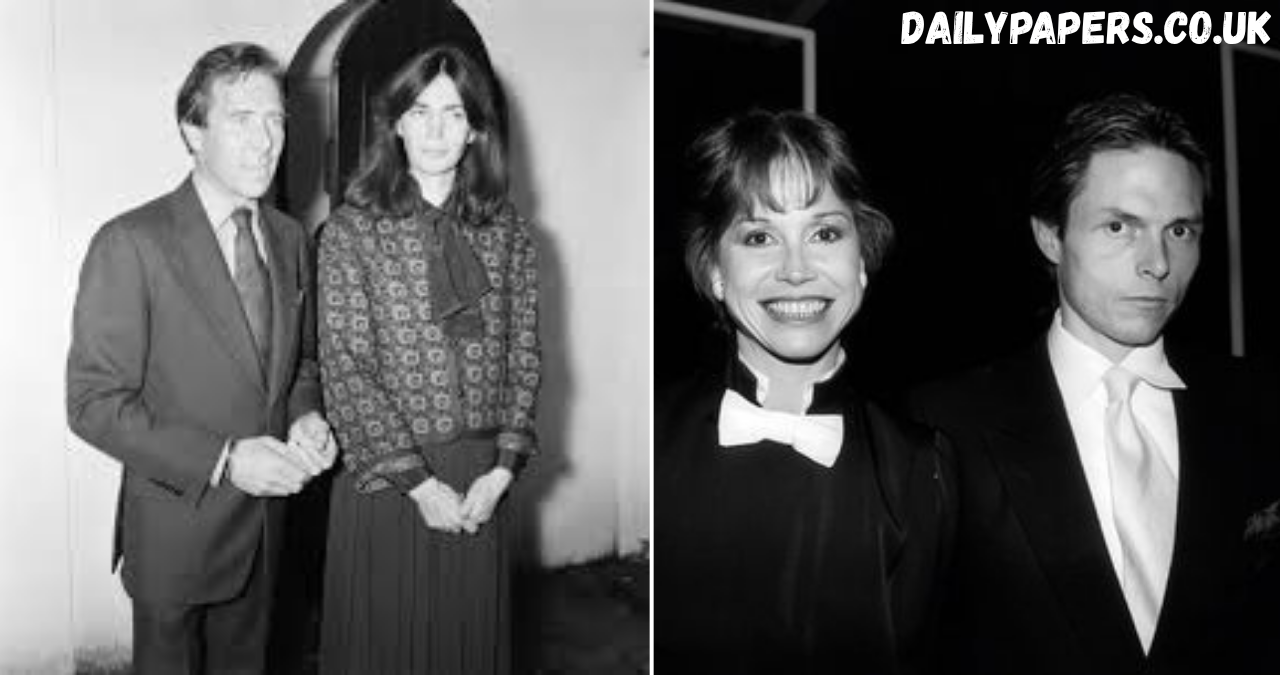
Lucy Lindsay-Hogg is a name that occasionally appears in public discussions, often in connection with broader family histories and cultural references rather than an extensive standalone public career. While there is interest in her background, it is important to note that verifiable public information about her personal and professional life remains limited. This makes her an example of individuals who are recognized primarily through association rather than continuous media presence or public-facing work. As a result, discussions about her tend to focus more on context, lineage, and indirect references rather than detailed biographical records.
In the modern digital landscape, names like Lucy Lindsay-Hogg often gain attention due to curiosity about family connections or historical associations. Search interest in such individuals is frequently driven by their potential ties to well-known figures or families, especially in cultural, artistic, or media-related circles. However, without substantial public documentation, it becomes necessary to approach her profile with careful attention to accuracy and respect for privacy. This article aims to provide a structured, SEO-optimized overview based on available general context while avoiding speculation or unverified claims.
Understanding figures like Lucy Lindsay-Hogg also highlights how public perception is shaped in the absence of detailed biographies. In many cases, individuals who are not directly engaged in public professions still become subjects of curiosity due to their surnames, heritage, or social connections. This phenomenon reflects broader trends in how information is consumed online, where even limited references can generate sustained interest. Therefore, discussing her background involves balancing curiosity with factual restraint and acknowledging the boundaries of publicly available knowledge.
Ultimately, Lucy Lindsay-Hogg represents a category of individuals whose recognition is subtle and contextual rather than prominent or media-driven. This introduction sets the stage for exploring her possible background, family associations, and the nature of her limited public visibility, while maintaining an informative and respectful perspective throughout the discussion.
Early Life and Family Background
The early life and family background of Lucy Lindsay-Hogg is an area that draws interest primarily due to the broader curiosity surrounding her surname and possible familial associations. However, publicly available details about her childhood, upbringing, and early personal development are limited. This absence of detailed documentation is not unusual for individuals who have not pursued public-facing careers or media exposure. Instead, their lives often remain private, with only occasional references appearing in genealogical records or secondary mentions in relation to family histories.
When discussing early life in such contexts, it is important to consider the influence that family environment can have on shaping personal identity. Even without explicit public records, individuals like Lucy Lindsay-Hogg may have grown up in environments influenced by cultural, artistic, or professional backgrounds depending on their family lineage. These influences often shape education choices, personal interests, and social exposure, even if they are not directly documented in public sources. However, in the absence of confirmed details, these observations remain general rather than specific.
Family background is often the primary reason certain names surface in public searches. In the case of Lucy Lindsay-Hogg, interest may stem from associations with families that have historical or cultural relevance. Such connections frequently lead to curiosity about upbringing, heritage, and early influences. Yet it is essential to distinguish between verified biographical facts and assumptions based on surname recognition. Responsible biographical writing requires maintaining that boundary clearly.
Overall, while the early life of Lucy Lindsay-Hogg is not extensively documented in public records, the interest surrounding her background highlights the broader human tendency to explore lineage and identity. This curiosity underscores how family history can shape public perception even in the absence of detailed personal narratives.
Education and Personal Development
Information regarding the education and personal development of Lucy Lindsay-Hogg is not widely available in public sources, which is consistent with her relatively private profile. In many cases, individuals who are not actively engaged in public professions or media-related careers do not have their educational history documented in detail. As a result, any discussion of her academic background must remain general and informed by typical patterns rather than specific verified records.
In broader terms, individuals with similar backgrounds often pursue education within standard academic frameworks, potentially attending schools or institutions aligned with their family’s social or cultural environment. Education plays a central role in shaping intellectual growth, personal values, and future interests, regardless of whether a person later enters public life. For someone like Lucy Lindsay-Hogg, education may have contributed to personal development in ways that are not publicly visible but still meaningful in shaping her identity and life choices.
Personal development is not limited to formal education alone. It also includes exposure to cultural environments, family influences, and social interactions that contribute to worldview formation. Even without documented details, it is reasonable to understand that these factors likely played a role in shaping her perspective. However, without direct evidence or public statements, it is not appropriate to attribute specific experiences or achievements.
The absence of detailed educational information also highlights a broader issue in biographical documentation: not all individuals are subject to public record-keeping or media attention. Many people live fully developed and impactful lives outside public visibility. In the case of Lucy Lindsay-Hogg, this reinforces the importance of respecting privacy while acknowledging the natural curiosity that arises from limited available information.
Public Presence and Media Mentions
Lucy Lindsay-Hogg does not appear to have a significant or widely documented public presence, which suggests that her recognition is largely indirect rather than based on personal media activity or professional exposure. When her name does appear in public contexts, it is often in connection with broader family references or historical mentions rather than individual achievements or public roles. This type of visibility is common for individuals who are connected to notable families but choose to remain outside the public spotlight.
Media mentions of individuals in such circumstances are typically brief and contextual. They may appear in genealogical records, biographical summaries of relatives, or archival references that include family names. In the case of Lucy Lindsay-Hogg, these mentions do not typically expand into detailed profiles, interviews, or public narratives. This reinforces the idea that her presence in media is incidental rather than central.
The nature of modern digital information means that even limited references can generate search interest. As people explore family histories or cultural connections, names like Lucy Lindsay-Hogg may surface in search results, prompting further curiosity. However, the lack of substantial media coverage also means that much of the available information remains fragmented or secondary in nature.
It is important to approach such public references with caution, ensuring that speculation is not mistaken for fact. Responsible discussion focuses on what is known rather than attempting to fill gaps with assumptions. In this sense, Lucy Lindsay-Hogg represents a figure whose public presence is defined more by absence than by active media engagement, highlighting the diversity of visibility in today’s information landscape.
Personal Life and Cultural Relevance
The personal life of Lucy Lindsay-Hogg remains largely private, with minimal publicly accessible information available regarding relationships, daily life, or personal activities. This level of privacy is common among individuals who are not engaged in public professions or media industries. As a result, discussions about her personal life must remain general and respectful, avoiding speculation or unverified claims.
Privacy plays an important role in shaping how individuals are perceived in public discourse. In the case of Lucy Lindsay-Hogg, the limited availability of personal details suggests a deliberate or natural separation from public exposure. This separation allows individuals to maintain personal boundaries while still being occasionally referenced in broader contexts, particularly when connected to family histories or cultural narratives.
Cultural relevance in such cases often arises not from direct contributions but from association. Names linked to notable families or historical contexts tend to attract attention even when the individuals themselves are not public figures. This phenomenon reflects how cultural interest is often shaped by lineage, heritage, and curiosity about interconnected histories. Lucy Lindsay-Hogg fits within this pattern, where interest is driven more by context than by direct public activity.
Ultimately, the discussion of her personal life and cultural relevance highlights the importance of balancing curiosity with respect for privacy. While public interest may persist, the absence of detailed information reinforces the idea that not all individuals are part of the public domain. Instead, they exist within a quieter sphere where personal identity is preserved outside media scrutiny.
Conclusion
Lucy Lindsay-Hogg represents an example of a private individual whose name appears in public contexts primarily due to familial or associative connections rather than extensive personal documentation. The limited availability of verified information highlights the importance of distinguishing between public figures and private individuals, especially in the digital age where curiosity can easily amplify minimal references.