
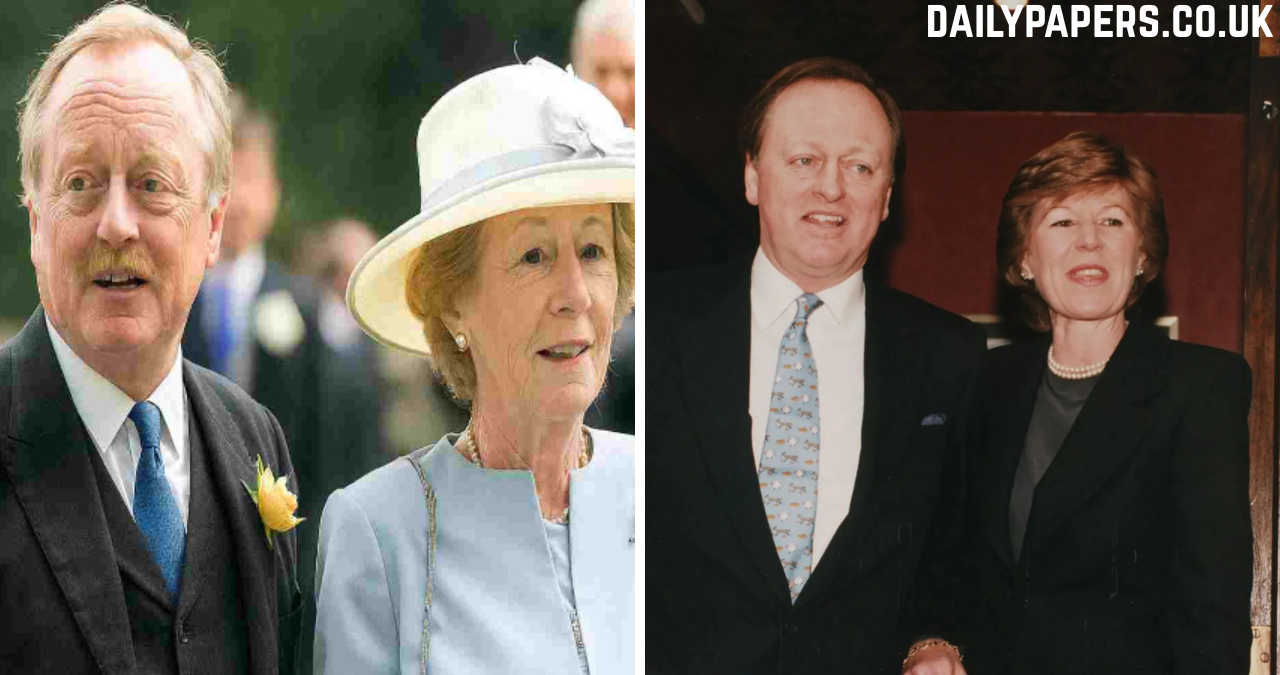
Rosemary Pitman is a name often searched because of her connection to British high society, the Parker Bowles family, and the wider royal circle. Yet her story deserves more than a passing mention beside famous names. Rosemary Pitman lived a life shaped by family, elegance, personal strength, and a deep appreciation for private values. While public curiosity usually focuses on her marriage to Andrew Parker Bowles, her identity was not limited to that relationship. She was remembered as a woman with grace, warmth, and resilience, someone who moved through a public-facing world while still keeping much of her personal life dignified and private.
The story of Rosemary Pitman also reflects the quieter side of social history. She was not a celebrity in the modern sense, nor did she appear to seek constant attention. Instead, her life became publicly noted because of the people around her, especially after she became the second wife of Brigadier Andrew Parker Bowles. Her journey included marriage, motherhood, garden design, country life, and a courageous battle with illness. This article explores Rosemary Pitman in an informative and respectful way, focusing on her background, personal life, marriage, character, and lasting memory.
Who Was Rosemary Pitman?
Rosemary Pitman, also known as Rosemary Alice Pitman and later Rosemary Parker Bowles, was a British woman remembered for her association with Andrew Parker Bowles and for her own refined personal interests. Before becoming part of wider public conversation, she lived a largely private life. Her background placed her within circles where family heritage, social manners, countryside traditions, and personal reputation carried great importance. Unlike many public figures whose lives are documented in detail, Rosemary Pitman remained a reserved personality, which makes her story both interesting and understated.
What makes Rosemary Pitman notable is not only her marriage into a recognizable family but also the way she maintained dignity in the public eye. She was often described in relation to her second husband, yet she had already built a life before that chapter began. She was a mother, a woman of interests, and someone associated with garden design and country living. Her story shows that some lives become historically interesting not through loud fame, but through quiet presence, meaningful relationships, and the respect of those who knew them personally.
Rosemary Pitman’s Early Life and Background
Rosemary Pitman was born Rosemary Alice Dickinson. Her early life was connected to a traditional British social environment, where family ties, education, manners, and community values often shaped personal identity. Although detailed public information about her childhood is limited, the available record presents her as a woman who later became known for taste, composure, and a love of refined surroundings. These qualities became visible through her interest in garden design and her country lifestyle.
Her life before wider public recognition was important because it shaped the woman she became. She was not introduced to society only through her later marriage to Andrew Parker Bowles. She had already experienced family life, marriage, and motherhood. This earlier chapter gave her a mature identity and a grounded character. When she later entered a more publicly noticed relationship, she did so not as someone seeking a spotlight, but as a woman with her own past, responsibilities, and personal depth.
Marriage, Family, and Personal Life
Before her marriage to Andrew Parker Bowles, Rosemary Pitman was married to Lieutenant-Colonel John Hugh Pitman. From this marriage, she had three sons. This part of her life is central to understanding her as more than a name in royal-adjacent history. She was a mother first, and family remained one of the defining elements of her identity. Her life was rooted in relationships that existed long before public attention increased around her name.
Family life often creates the strongest legacy, even when it is not fully visible to the public. Rosemary Pitman’s role as a mother gave her story emotional depth. People searching for Rosemary Pitman often focus on her connection to Andrew Parker Bowles, but her children and first marriage were an essential part of her personal journey. Her life reminds readers that public biographies can sometimes flatten people into one relationship, while the real person lived through many roles, responsibilities, and private experiences.
Rosemary Pitman and Andrew Parker Bowles
Rosemary Pitman became more widely known after marrying Andrew Parker Bowles in 1996. Andrew Parker Bowles was already a well-known figure because of his military career and his previous marriage to Camilla, who later became Queen Camilla. This connection naturally drew media attention to Rosemary Pitman, especially because the Parker Bowles family had long been associated with royal circles. However, Rosemary’s marriage to Andrew should not be viewed only through the lens of royal curiosity. It was a later-life partnership between two people who had already lived full and complex lives.
Their marriage lasted until Rosemary Pitman’s death in 2010. During those years, she became part of a social world that attracted public interest, yet she appeared to remain private and composed. She was not known for dramatic public statements or attention-seeking behavior. Instead, she represented a quieter kind of public figure: someone noticed because of association but remembered because of character. Her relationship with Andrew Parker Bowles added visibility to her name, but it did not erase the personal life and identity she already carried.
Career, Interests, and Garden Design
One of the most meaningful details associated with Rosemary Pitman is her interest in garden design. Garden design is not simply decoration; it reflects patience, imagination, structure, and an understanding of natural beauty. A person drawn to gardens often values balance, seasons, color, and quiet transformation. In Rosemary Pitman’s case, this interest fits the image of someone with refined taste and a love for peaceful, well-shaped surroundings.
Her connection to gardens also helps readers understand her personality in a softer and more human way. Public attention often centers on marriages, titles, and family connections, but personal interests reveal what someone may have valued in daily life. Garden design suggests creativity, discipline, and a connection to the countryside. For Rosemary Pitman, this interest adds a rich layer to her story. It shows a woman who appreciated beauty not only in social life but also in the natural world.
Character, Strength, and Public Memory

Rosemary Pitman is often remembered with words connected to grace, privacy, and courage. Her final years were marked by illness, and reports describe her battle with cancer before her death in January 2010. Illness can become a deeply private struggle, especially for someone connected to a public family. Rosemary’s experience shows the human side of a life that might otherwise be discussed only through social connections. Behind the public name was a woman facing pain, treatment, and emotional difficulty with strength.
Her memory remains tied to dignity. She did not become famous through controversy, nor did she build a public image through constant media appearances. Instead, she is remembered as someone who held her place quietly. This is one reason the keyword Rosemary Pitman continues to attract searches: people want to know the real person behind a name linked to well-known British figures. Her story offers a calm but meaningful portrait of resilience, family, and private grace.
Rosemary Pitman’s Death and Legacy
Rosemary Pitman died on January 10, 2010, after a battle with cancer. Her passing was reported in connection with her husband Andrew Parker Bowles and the wider circle of people who knew the family. While the public record gives the key facts of her death, her legacy is best understood through the way she is remembered: as a woman connected to family, gardens, horses, country life, and quiet courage. Her death marked the end of a life that had touched both private family circles and public society.
The legacy of Rosemary Pitman is not built on fame in the usual sense. It is built on the impression she left behind. She remains a figure of interest because her life intersects with British royal history, yet the most respectful way to view her is as an individual with her own experiences. She lived through marriage, motherhood, public attention, illness, and personal devotion. Her story continues to matter because it reminds us that even people mentioned briefly in history often lived lives full of feeling, responsibility, and meaning.
Why Rosemary Pitman Still Attracts Public Interest
The continued interest in Rosemary Pitman comes from several reasons. First, her marriage to Andrew Parker Bowles places her within a well-known social and royal-adjacent story. Second, her reserved nature creates curiosity because less public information is available about her compared with more famous figures. Third, her life carries emotional weight because of her family role, her illness, and the respectful way she is remembered after death.
Search interest around Rosemary Pitman also reflects a broader public habit: people want to understand the individuals connected to major historical or royal names. However, Rosemary’s story should not be reduced to curiosity alone. It is also a reminder that grace can exist without spectacle. She was connected to fame, but she did not appear to chase it. That quiet distance from publicity makes her story more dignified and, in many ways, more compelling.
Conclusion
Rosemary Pitman lived a life that was both private and publicly noted. She was Rosemary Alice Dickinson by birth, Rosemary Pitman through her first marriage, and Rosemary Parker Bowles after marrying Andrew Parker Bowles. Her name became associated with British high society and royal circles, but her personal legacy goes beyond those connections. She was a mother, a garden designer, a woman of taste, and someone remembered for quiet strength.
The story of Rosemary Pitman is not one of loud fame or constant headlines. It is a story of dignity, family, resilience, and understated influence. For readers searching for Rosemary Pitman, the most important point is that she was more than a familiar surname. She was a real person whose life included love, responsibility, creativity, illness, and memory. Her legacy remains meaningful because it reflects the beauty of a life lived with grace, even when viewed from the edges of history.
FAQs About Rosemary Pitman
Who was Rosemary Pitman?
Rosemary Pitman was a British woman also known as Rosemary Alice Pitman and later Rosemary Parker Bowles. She is best known publicly as the second wife of Andrew Parker Bowles, but she was also a mother and was associated with garden design and country life.
Why is Rosemary Pitman famous?
Rosemary Pitman is famous mainly because of her marriage to Andrew Parker Bowles, the former husband of Camilla. This connection placed Rosemary Pitman within a wider royal-adjacent story, although she personally lived a reserved and private life.
Was Rosemary Pitman married before Andrew Parker Bowles?
Yes, Rosemary Pitman was previously married to Lieutenant-Colonel John Hugh Pitman. She had three sons from her first marriage before later marrying Andrew Parker Bowles in 1996.
What did Rosemary Pitman do?
Rosemary Pitman is often described as having an interest and professional connection with garden design. Her life was also closely connected to family, country living, and private social circles.
When did Rosemary Pitman die?
Rosemary Pitman died on January 10, 2010, after battling cancer. She is remembered for her dignity, family role, and quiet presence in British social history.